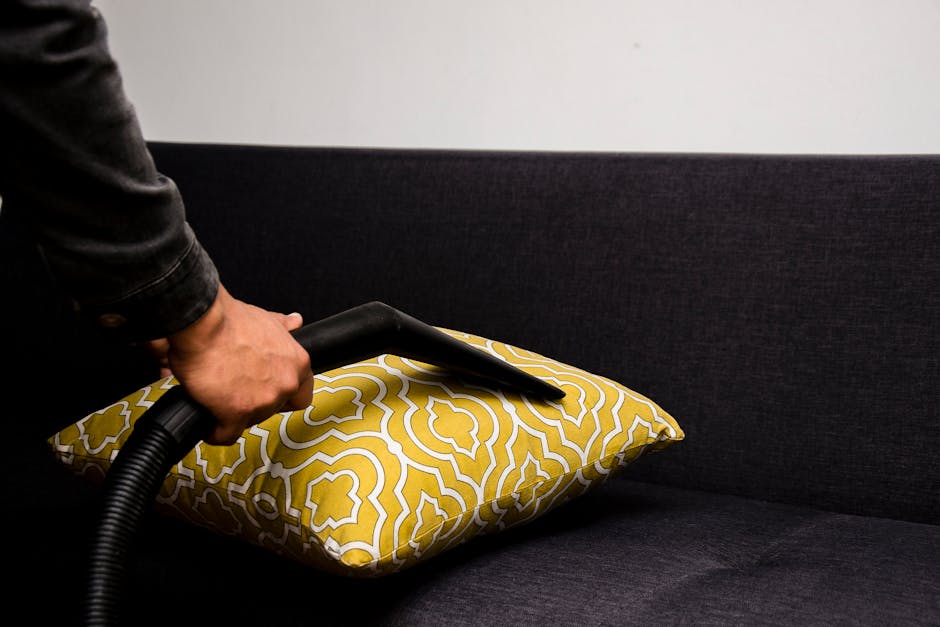
Upholstery cleaning KT3 homes near New Malden Station: a practical local guide for cleaner, fresher furniture
If you live in KT3 and your sofa, armchairs, dining chairs, or headboard have started to look a bit tired, you are not alone. Upholstery cleaning KT3 homes near New Malden Station is one of those jobs people put off until a spill, pet mark, or stubborn odour makes it impossible to ignore. Then suddenly you notice everything: the dull patch on the armrest, the faint smell that lingers after guests leave, the crumbs tucked into seams. A proper clean can make a room feel brighter, fresher, and honestly more cared for.
This guide explains what upholstery cleaning involves, how it works, when it makes sense, what to avoid, and how to choose the right approach for real homes around New Malden Station. You will also find practical checklists, method comparisons, and a few local, no-nonsense tips that help you get better results without fuss.
Table of Contents
- Why Upholstery cleaning KT3 homes near New Malden Station Matters
- How Upholstery cleaning KT3 homes near New Malden Station Works
- Key Benefits and Practical Advantages
- Who This Is For and When It Makes Sense
- Step-by-Step Guidance
- Expert Tips for Better Results
- Common Mistakes to Avoid
- Tools, Resources and Recommendations
- Law, Compliance, Standards, or Best Practice
- Options, Methods, or Comparison Table
- Case Study or Real-World Example
- Practical Checklist
- Conclusion
- Frequently Asked Questions
Why Upholstery cleaning KT3 homes near New Malden Station Matters
Upholstery does more than look decorative. It takes the daily impact of family life: tea spills, muddy shoes on the edge of a chair, pet hair, dust, skin oils, and the general wear that comes from being lived on. In homes near New Malden Station, where people often want a tidy, welcoming space without replacing furniture too early, regular upholstery cleaning can make a real difference.
The benefit is not just visual. Fabric furnishings can hold onto allergens, odours, and fine debris. Even when a sofa looks clean at a glance, the fibres may contain grime that slowly affects freshness. If you have children, pets, house guests, or simply a busy household, the fabric can age faster than you expect. To be fair, most people only notice once the light changes in the afternoon and the couch suddenly looks far more beige than it did last year.
There is also a value angle. Good upholstery care can help extend the life of a sofa or chair, which makes more sense than replacing it because of a few set-in marks. A clean piece of furniture can lift the whole room. It is a small thing, but a room that smells clean and looks cared for tends to feel calmer too.
Expert summary: If a piece of furniture is structurally sound but looks dull, smells stale, or has visible marks, upholstery cleaning is usually the most sensible first step before repair or replacement.
If you are also thinking about related services in the same home, it can be useful to look at sofa cleaning, rug cleaning, or broader stain removal where the problem goes beyond one upholstered item.
How Upholstery cleaning KT3 homes near New Malden Station Works
Most upholstery cleaning begins with fabric identification. That sounds simple, but it matters. Cotton, polyester blends, wool mixes, velvet, microfibre, and natural fibres all respond differently to moisture, agitation, and cleaning products. A careful cleaner will inspect the item first rather than rushing in. That first look helps prevent dye transfer, water marks, shrinkage, and fibre distortion.
The process usually includes vacuuming, spot pre-treatment, a suitable cleaning method, and controlled drying. In many cases, the cleaner will test a small hidden area first. Good practice, always. If the fabric is delicate, low-moisture cleaning or a targeted stain treatment may be better than a wetter approach. If the upholstery is robust and the fabric allows it, a deeper clean may be possible.
For many KT3 homes, especially busy family houses and flats near the station where airflow may be limited, drying time is part of the plan. You do not want cushions left damp and forgotten. That is how musty smells creep in. A proper service should explain the likely drying window, the ventilation needed, and any aftercare, plainly and without jargon.
If you want a service overview before booking, the main upholstery cleaning page is a sensible starting point, and the company's insurance and safety information is worth checking when you want peace of mind about the process.
Typical cleaning stages
- Initial inspection and fabric check
- Vacuuming to remove dust, crumbs, and loose debris
- Testing for colour stability and fibre sensitivity
- Pre-treatment for spots, grease, or odours
- Cleaning using the most suitable method
- Extraction or controlled wipe-down, depending on fabric
- Drying support and final grooming of the fabric pile
That final grooming step is underrated, by the way. It helps the fabric look even again, not crushed or patchy after cleaning.
Key Benefits and Practical Advantages
The obvious benefit is appearance. Clean upholstery simply looks better. But there are several other advantages that matter just as much in real life.
- Improved freshness: odours from cooking, pets, and everyday use become less noticeable.
- Better hygiene: accumulated dust and surface grime are reduced.
- Longer furniture life: regular care can slow down visible ageing.
- Better comfort: fabrics feel cleaner and less sticky, gritty, or flat.
- More inviting rooms: a fresh sofa or chair changes the mood of the whole space.
In family homes, the practical advantage is often emotional as much as visual. You sit down at the end of a long day, and the sofa feels clean rather than slightly suspect. Small win, but a real one. And if you are preparing for visitors, spring cleaning, or a property handover, upholstery care can make a room look much more finished.
There is also a sensible maintenance angle. It is usually easier and cheaper to clean a mark early than to wait until it becomes a long-set stain. Spills do not politely stay on the surface forever. They sink, spread, and bond. That is just how fabric behaves.
Who This Is For and When It Makes Sense
Upholstery cleaning is not only for large homes or obvious messes. It makes sense for a wide range of KT3 households near New Malden Station.
- Families with children: snack crumbs, juice marks, sticky handprints, and everyday wear add up quickly.
- Pet owners: hair, dander, paw marks, and occasional accidents can settle into fabric.
- Renters and landlords: fresh upholstery helps a property feel better presented and more cared for.
- Home workers: chairs and desks often collect more dirt than people realise.
- Older furniture owners: a clean can refresh good-quality items that still have years left in them.
It also makes sense after specific incidents: red wine, tea, coffee, food grease, makeup, or an unexpected muddy day. New Malden weather is not exactly famous for keeping furniture clean in winter. Let's face it, wet coats and shoes can do a number on soft furnishings too.
If you are dealing with a more stubborn pet-related issue, pairing upholstery work with pet stain odour removal can be the most practical route, especially when smells have travelled beyond one cushion or corner.
Step-by-Step Guidance
If you are planning upholstery cleaning at home, a steady step-by-step approach usually gives better results than improvising. Rushing is where mistakes creep in.
1. Identify the fabric
Look for labels where possible. If there is no label, inspect the weave, texture, and any existing care notes from when the furniture was purchased. Delicate or blended fabrics should be treated cautiously.
2. Remove loose debris
Vacuum thoroughly, including seams, tufts, under cushions, and around buttons. This is where the odd crisp crumb or rogue coin seems to hide. You know the sort of thing.
3. Check for stains and problem areas
Make a note of the worst marks before cleaning. That helps you focus on spots that need pre-treatment. Grease and dye-based stains behave differently, so they should not be treated the same way.
4. Test a hidden area
Always test your chosen product or method in an out-of-sight section first. A tiny patch at the back or underside can save a much larger headache later.
5. Apply the right cleaning method
Use minimal moisture where needed, or extraction where the fabric allows it. Work slowly. Over-wetting upholstery is one of the fastest ways to create water marks and long drying times.
6. Blot, do not rub
When working on stains, blotting is usually safer than scrubbing. Scrubbing can spread the mark and rough up the pile. Not ideal.
7. Dry properly
Open windows if weather allows, run fans if needed, and give cushions space to breathe. Put them back only when they are properly dry, not merely "mostly okay".
8. Finish with grooming and checking
Once dry, check for missed spots, odd texture changes, or lingering smells. A final once-over is worth the extra few minutes.
Expert Tips for Better Results
In practice, the best upholstery results often come from small choices made before the cleaning starts.
- Treat spills quickly. Fresh marks are much easier to lift than old ones.
- Use gentle product amounts. More cleaning solution does not equal more cleaning power.
- Mind the weather. Damp, cool days slow drying, so ventilation matters more than people think.
- Keep cushions turned and rotated. This spreads wear more evenly.
- Protect after cleaning if appropriate. A fabric protector can help in busy homes, though it is not a magic shield.
One useful trick: before a cleaner arrives, move side tables, throws, and clutter off the furniture area. It sounds obvious, but those small bits of prep save time and help the job go more smoothly. The cleaner is not there to play a furniture-moving puzzle game.
If your upholstery is part of a broader fabric refresh, combining it with curtain cleaning or mattress cleaning can make the whole home feel noticeably fresher rather than only one room.
Common Mistakes to Avoid
A lot of upholstery damage happens during DIY cleaning, not from the original spill. That sounds harsh, but it is true more often than not.
- Using too much water: this can leave rings, prolong drying, and cause odours.
- Applying harsh chemicals: bleach-like products or strong solvents can discolour fabric.
- Scrubbing aggressively: it can damage the weave and drive dirt deeper.
- Ignoring the care label: that label exists for a reason.
- Skipping a patch test: a hidden test would have prevented many expensive mistakes.
- Leaving cushions damp: trapped moisture can create a stale, musty smell.
A quieter mistake is assuming all furniture needs the same treatment. It does not. A sturdy synthetic sofa and a delicate velvet chair are not the same job at all. Treating them as if they are can end badly, and fairly quickly too.
Tools, Resources and Recommendations
You do not need a room full of equipment to care for upholstery well, but the right basics help.
| Tool or resource | Why it helps | Best use |
|---|---|---|
| Vacuum with upholstery attachment | Removes surface dust and debris | Routine maintenance and pre-clean prep |
| Soft brush | Lifts loosened dirt gently | Delicate fabrics and seams |
| Microfibre cloths | Good for blotting without scratching | Spot treatment and drying support |
| Fabric-safe cleaner | Helps treat marks without overdoing it | Light stains and general refreshes |
| Protective covers or throws | Reduces future wear | Busy family areas and pet-prone spots |
If you are comparing local providers, a few pages on the site are useful for making a more informed decision. The pricing and quotes page can help you understand how estimates are handled, while the company's payment and security information is reassuring if you prefer to know the basics before committing.
For customers who want a wider understanding of the business itself, the about us page offers useful background, and the recycling and sustainability page is worth a look if environmental care matters to you.
Law, Compliance, Standards, or Best Practice
Upholstery cleaning in UK homes is not a heavily regulated service in the way some trades are, but it still benefits from sensible professional standards. Good providers should work carefully, use products appropriately, and avoid creating hazards through excess moisture, poor ventilation, or unsafe chemical use.
In practical terms, best practice usually means:
- checking fabric suitability before treatment
- explaining any risks to delicate materials
- working with appropriate safety precautions
- being honest about what a stain can and cannot do
- giving realistic drying guidance
For customers, a little due diligence goes a long way. Ask what method will be used, whether the fabric will be tested first, and how the cleaner manages drying. If the answer feels vague or rushed, that is useful information. Sometimes the quiet confidence is what you want; the overblown promise, not so much.
It is also sensible to check service terms before booking. The company's terms and conditions and health and safety policy are practical pages for understanding expectations around the work.
Options, Methods, or Comparison Table
Different upholstery jobs call for different methods. There is no single perfect solution, and anyone claiming otherwise is probably simplifying things too much.
| Method | Best for | Pros | Watch-outs |
|---|---|---|---|
| Dry surface cleaning | Light dusting, sensitive fabrics, quick refreshes | Low moisture, fast turnaround | Limited on deep stains |
| Hot water extraction | Robust fabrics with deeper soil | Can give a thorough clean | Longer drying time if overused |
| Foam or low-moisture cleaning | Mixed fabrics, moderate soil | Balanced approach, less wetting | May need follow-up on tough stains |
| Targeted stain treatment | Single marks, spot issues | Efficient and focused | Not ideal for whole-item refreshes |
For many homes near New Malden Station, the best option is not the "strongest" one but the most suitable one. A dining chair with one coffee mark needs a different touch from a family sofa that sees daily use. That distinction matters more than flashy terminology.
Case Study or Real-World Example
A fairly typical KT3 scenario goes like this. A family notices that their fabric sofa still looks fine in the morning, but by evening it appears dull, with a darker armrest and a faint smell after the heating has been on. Nothing dramatic. Just enough to annoy them every time they sit down.
They start with a vacuum and some quick blotting, but the mark remains. A professional inspection shows that the fabric is suitable for low-moisture cleaning, with a small pre-treatment needed at the arm and cushion edge. The clean lifts the visible grime, and the odour becomes much less noticeable once the fabric dries fully. The sofa does not look new, because that would be unrealistic, but it looks cared for again.
What made the difference? The careful first check, the right method, and decent drying time. No magic. Just good process.
That is usually how the best upholstery cleaning jobs go. Quiet, careful, and surprisingly satisfying.
Practical Checklist
Use this quick checklist before arranging upholstery cleaning in your KT3 home.
- Check the furniture fabric type and care label where possible
- Identify the main issue: stains, smell, dust, pet hair, or general dullness
- Vacuum loose debris from seams and cushions
- Decide whether the whole item or only one area needs attention
- Ask how the fabric will be tested before treatment
- Confirm the expected drying time
- Move breakables, side tables, and clutter out of the way
- Plan for ventilation after cleaning
- Review service terms, safety notes, and payment details
- Keep pets and children away from damp fabric until fully dry
This is the part where a little preparation pays off. A clean room, a clear route to the furniture, and a bit of patience afterwards can improve the finish more than people expect.
If you want to keep browsing related options, you may also find carpet cleaning and steam carpet cleaning helpful if the rest of the room needs a similar refresh.
Get a free quote today and see how much you can save.
Conclusion
Upholstery cleaning KT3 homes near New Malden Station is really about protecting the comfort and appearance of the furniture you use every day. Whether you are dealing with a fresh spill, a long-term odour, or just that worn-in look that creeps up over time, the right cleaning approach can make a room feel lighter and more welcoming without replacing perfectly good furniture.
The key is to match the method to the fabric, avoid rushing the process, and give drying the attention it deserves. That is often what separates a decent result from a really satisfying one. And to be fair, when your sofa looks and smells better, the whole house can feel a bit more settled. Small improvement, big impact.
If you are ready to take the next step, choose the approach that feels careful, transparent, and suited to your home. A fresher room is closer than it looks.
Frequently Asked Questions
How often should upholstery be cleaned in a KT3 home?
It depends on use. Busy family homes, pet households, and properties with lots of visitors may need cleaning more often than quieter homes. A good rule is to clean when you notice visible dullness, odour, or marks that regular vacuuming no longer improves.
Can upholstery cleaning remove old stains?
Sometimes, yes, but not always completely. Older stains can set into fibres and become harder to shift. Results depend on the stain type, fabric, and how long the mark has been there. A careful pre-test and the right treatment usually give the best chance.
Is upholstery cleaning safe for delicate fabrics?
It can be, if the method is chosen properly. Delicate fabrics often need low-moisture cleaning, light spot treatment, or a very cautious approach. The fabric should always be checked first, because using the wrong method can cause water marks or damage.
How long does upholstery take to dry?
Drying time varies with the fabric, room temperature, airflow, and how much moisture was used. Some items dry fairly quickly; others take longer. Good ventilation helps, and cushions should not be used again until they are fully dry.
What smells can upholstery cleaning help with?
It can help reduce common household odours such as food smells, general mustiness, pet-related odours, and stale trapped dirt. Very strong or deep-set odours may need extra treatment, especially if they have soaked into the padding.
Should I clean the whole sofa or just the stained area?
That depends on the issue. Spot treatment is fine for isolated marks, but full cleaning is often better when the whole item looks dull or has uneven wear. Cleaning only one patch can sometimes leave a visible difference in colour or texture.
Can I clean upholstery myself?
You can handle light maintenance, vacuuming, and gentle spot treatment if the fabric allows it. But DIY work can go wrong quickly if too much water or the wrong product is used. For delicate, expensive, or heavily stained items, a professional approach is usually safer.
Do I need to move furniture before the cleaner arrives?
Small items, ornaments, and clutter should definitely be moved. Larger furniture pieces are often discussed in advance, because not everything can be shifted safely by one person. A little preparation makes the appointment smoother.
Will upholstery cleaning get rid of pet hair?
It can remove a lot of pet hair, especially if the item is vacuumed thoroughly first. If there are also urine-related marks or lingering smells, you may need a more specific treatment alongside the clean.
What is the difference between sofa cleaning and upholstery cleaning?
Upholstery cleaning is the broader term for fabric furniture cleaning. Sofa cleaning is one part of that. In practice, sofas, armchairs, dining chairs, headboards, and footstools can all fall under upholstery care.
How do I know if a cleaning company is trustworthy?
Look for clear explanations, realistic expectations, safety information, and transparent pricing. It also helps if the company explains fabric testing, drying times, and aftercare rather than talking only in sales language. A careful tone is usually a good sign.
Can upholstery cleaning help if my furniture just looks tired?
Yes. Not every clean is about a dramatic stain. Sometimes furniture simply looks flat, greyed, or a bit lifeless from everyday use. A proper refresh can restore a lot of the original look and make the room feel brighter again.
For more background on the business, you can also read the about us page or review the complaints procedure if you want to understand how issues are handled. A bit of clarity up front never hurts.