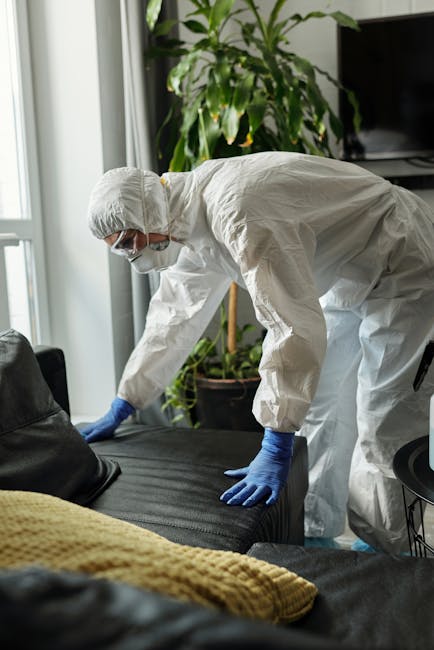
Sofa cleaning New Malden High Street: a practical guide to cleaner, fresher upholstery
If your sofa is starting to look a little tired, hold onto odours, or show the everyday marks of busy living, you are not alone. Sofa cleaning New Malden High Street is one of those services people usually think about only when crumbs, pet hair, spill marks, or that faint "lived-in" smell become impossible to ignore. Truth be told, most sofas do a lot more work than we give them credit for.
Whether you live above a shop, in a flat close to the station, or run a household where the sofa is basically the family headquarters, proper cleaning can make a huge difference. In this guide, you will learn how professional sofa cleaning works, what benefits to expect, what to avoid, and how to decide whether a deep clean is the right move for your furniture right now.
For readers who want to compare services more broadly, it can also help to look at related pages such as sofa cleaning, upholstery cleaning, and stain removal. Those pages sit nicely alongside the advice below and give a fuller picture of what can be done for different fabrics and problems.
Table of Contents
- Why Sofa cleaning New Malden High Street matters
- How Sofa cleaning New Malden High Street works
- Key benefits and practical advantages
- Who this is for and when it makes sense
- Step-by-step guidance
- Expert tips for better results
- Common mistakes to avoid
- Tools, resources and recommendations
- Law, compliance, standards, or best practice
- Options, methods, or comparison table
- Case study or real-world example
- Practical checklist
- Conclusion
- Frequently Asked Questions
Why Sofa cleaning New Malden High Street Matters
A sofa is one of the hardest-working items in any home or office. It catches body oils, dust, pet dander, food particles, drink spills, and the general day-to-day build-up that happens when life happens. On a busy stretch like New Malden High Street, where people pop in and out, work from home, entertain friends, and often make the most of limited space, the sofa usually ends up doing double duty as seating, lounge area, reading nook, nap spot, and sometimes dining bench. Not ideal, but very real.
Cleaning matters because upholstery fibres trap more than you can see. A fabric may look fine on the surface but still hold residue that affects smell, appearance, and texture. Over time, that build-up can make colours look flat and can shorten the useful life of the furniture. A clean sofa simply feels better to sit on. You notice it immediately when you sink in and there is no stale smell, no sticky patch, and no visible shadow from an old spill.
There is also a comfort factor that people underestimate. Clean upholstery can make a room feel calmer and more cared for. If you have guests coming over, or you are trying to keep a rented property presentable, it is often the difference between "fine" and genuinely welcoming.
A practical point worth saying: different sofas need different treatment. Delicate natural fibres, velvet-style fabrics, leather, mixed synthetics, and stain-resistant weaves all respond differently to moisture, heat, agitation, and cleaning chemistry. That is why a one-size-fits-all approach can be risky. A good clean should be chosen to suit the material, not the other way around.
Expert summary: The best sofa cleaning is not just about removing visible marks. It is about matching the method to the fabric, removing hidden soil safely, and leaving the sofa dry enough to use without fuss.
How Sofa cleaning New Malden High Street Works
Professional sofa cleaning usually starts with inspection. The cleaner checks the fabric type, colour stability, existing stains, wear areas, and any labels or manufacturer guidance. That first look matters more than people think. A mark that looks like a simple food stain may actually be a mix of oils, dye transfer, and detergent residue from a previous DIY attempt. Yes, upholstery can be a bit dramatic sometimes.
Once the material is identified, the cleaner will normally test a small hidden area. That helps reduce the risk of colour bleeding, water rings, or texture changes. From there, the process often involves a combination of dry soil removal, stain pre-treatment, agitation, extraction or low-moisture cleaning, and controlled drying.
The exact method depends on the sofa. Steam or hot-water extraction may be suitable for many synthetic fabrics, while delicate materials may need lower moisture or specialist techniques. The goal is not to soak the upholstery. The goal is to lift contamination out of the fibres and remove it as thoroughly as possible without damaging the couch or padding underneath.
In some cases, a technician may also deal with odours and lingering pet issues. If that is part of the problem, a related service such as pet stain and odour removal can be useful to understand because smell often sits deeper than the visible stain.
Drying is the final part many people overlook. A sofa should not be left damp for too long. Good airflow, sensible room temperature, and avoiding immediate heavy use all help the results last. If the clean is done well, the sofa should feel refreshed rather than over-wet or stiff.
Key Benefits and Practical Advantages
Clean upholstery offers more than a neater look. The benefits are practical, financial, and honestly a little bit emotional too, because a cleaner sofa changes how the whole room feels.
- Better appearance: Stains, dull patches, and general grime are reduced, which helps the sofa look younger and better cared for.
- Improved smell: Regular cleaning helps remove trapped odours from food, pets, smoke, and everyday living.
- Longer upholstery life: Dirt acts like fine grit. When it stays in the fibres, it can speed up wear.
- More comfortable seating: Fresh upholstery feels softer and more pleasant, especially on high-use sofas.
- Better impression for visitors or tenants: A clean sofa lifts the whole space without needing a full room makeover.
- Helps with allergy-sensitive homes: While it is not a medical treatment, removing dust and debris can make the room feel less stuffy.
One subtle but valuable advantage is peace of mind. Once the sofa is cleaned properly, you stop noticing the marks every time you walk past. That mental relief is real. You know the one - the tiny patch near the armrest that catches your eye every evening? Gone, or at least much less annoying.
For households with mixed flooring and textiles, it can make sense to coordinate sofa care with other soft furnishings. If curtains or rugs are also holding odours or dirt, related services like curtain cleaning and rug cleaning may help create a more consistent result throughout the room.
Who This Is For and When It Makes Sense
Sofa cleaning is not just for obvious disasters like red wine on a cream corner unit. It is useful in a much wider range of situations.
You may be a good candidate if:
- your sofa has visible stains, shadows, or drink marks
- the fabric smells stale, musty, or pet-heavy
- you have children, pets, or a very busy household
- you are moving out, moving in, or preparing a property for viewings
- your sofa is looking flat and tired even after vacuuming
- you have tried spot cleaning but the mark came back
- you want to protect a decent piece of furniture rather than replace it early
It also makes sense for landlords, letting agents, and small businesses with waiting areas or customer seating. In those settings, the upholstery is part of the first impression. A worn sofa can quietly drag down the feel of the whole room. A cleaned one, on the other hand, makes everything look better cared for without shouting about it.
There are times when cleaning should be approached carefully. If a sofa has severe fabric deterioration, unstable dyes, obvious structural damage, or mould-like contamination, it may need assessment before any wet cleaning is attempted. Better to pause and inspect than to make a small issue worse. Common sense, really.
Step-by-Step Guidance
If you are planning sofa cleaning New Malden High Street, it helps to know what a sensible process looks like. That way you can judge whether the service feels thorough or just rushed through.
- Inspect the sofa carefully. Look for stains, wear points, rips, loose stitching, and areas that hold smell. Take note of the fabric type if you can.
- Vacuum thoroughly. Remove loose dust, crumbs, hair, and grit from cushions, seams, and under the cushions. This makes the deeper clean more effective.
- Identify the stains. Coffee, ink, food, pet accidents, body oils, and dye transfer all need different handling. Guessing is where people get into trouble.
- Choose the right method. The fabric, age of the sofa, and severity of the soiling should guide the cleaning approach. Low moisture is often safer for sensitive pieces.
- Pre-treat problem areas. A targeted treatment is often needed before the full clean. This helps loosen embedded marks instead of scrubbing them deeper.
- Clean with controlled technique. Whether the process uses extraction or another suitable method, the cleaner should work evenly and avoid over-wetting.
- Check the results. After the main pass, inspect for any remaining marks or areas that need a second treatment.
- Dry properly. Use air movement, open windows if appropriate, and avoid sitting on the sofa too soon.
If you are doing a light maintenance clean at home, keep the approach conservative. Blot, do not rub. Use small amounts of product. Test first. And please, for the love of upholstery, do not pour half a bottle of cleaner onto one armrest and hope for the best.
Expert Tips for Better Results
After dealing with enough upholstery jobs, a few patterns become very clear. The cleanest-looking results usually come from careful prep and patience, not brute force.
- Vacuum before any liquid touches the sofa. Loose debris turns to muddy residue if you skip this step.
- Always test hidden areas first. Even "safe" products can behave oddly on older fabric.
- Work from the outside of a stain inward. That reduces spreading and keeps the mark from blooming outward.
- Use less water than you think. More moisture does not automatically mean better cleaning.
- Improve airflow during drying. Fresh air helps prevent lingering damp smells.
- Clean cushions separately where possible. It gives a more even finish and helps the sofa dry evenly.
- Be realistic about old stains. Some marks lighten dramatically, some fade only partially, and a few have permanently changed the dye or fibre. That is not failure; it is just honest upholstery science.
One more thing: if your sofa sits near a radiator or bay window, heat and sunlight may have already aged the fabric unevenly. A careful cleaner will factor that in rather than treating every patch the same. Small detail, big difference.
When a room has multiple fabric surfaces, it can be sensible to coordinate the cleaning with broader upholstery care. A service like upholstery cleaning can be a helpful next step if chairs, footstools, or dining seats are also in need of attention.
Common Mistakes to Avoid
Most sofa cleaning problems come from well-meant but rushed actions. The good news? They are avoidable.
- Rubbing stains hard: This spreads the mark and can distort the fabric pile.
- Using the wrong product: Some cleaners are too harsh for delicate fibres or dyed materials.
- Skipping a patch test: A hidden test area is boring, but it saves sofas.
- Over-wetting the fabric: Too much moisture can leave rings, long drying times, or hidden damp in the cushioning.
- Ignoring the manufacturer label: Fabric guidance exists for a reason, even if it seems annoyingly small.
- Trying to fix everything in one go: A stubborn stain sometimes needs staged treatment rather than one aggressive attempt.
- Forgetting the odour source: If smell is the issue, surface cleaning alone may not solve it.
Another common issue is impatience. People clean a sofa at 7pm, sit on it at 8pm, and then wonder why it still feels damp at breakfast. Happens all the time. Give it space to dry properly and you usually get a better finish.
Tools, Resources and Recommendations
You do not need a huge toolkit to look after a sofa, but the right basics make a real difference.
Useful household items include:
- a decent upholstery attachment for vacuuming
- clean white cloths or microfibre cloths
- a soft brush for dry debris and light agitation
- a mild, fabric-appropriate spot cleaner
- a fan or good natural airflow for drying
For more serious dirt, specialist equipment is usually more effective. That may include hot-water extraction machines, low-moisture systems, and carefully chosen stain treatment products. The point is not to use the biggest machine available. It is to use the right one. That sounds obvious, but in real life people often assume stronger means better. Not always.
If you are comparing service options or planning more than one type of clean, it may help to review pricing and quotes so you understand what is typically included, and to look at insurance and safety for reassurance around on-site work and care in the property.
And if you are aiming to clean the whole room rather than just the sofa, broader services like carpet cleaning and steam carpet cleaning may be worth considering alongside upholstery work. It often makes the result feel more complete.
Law, Compliance, Standards, or Best Practice
For domestic sofa cleaning, there usually is no complicated legal framework that the homeowner needs to navigate day to day. Still, a professional service should follow sensible UK best practice around safe products, careful handling, and clear communication. That includes respecting fabric care guidance, using chemicals appropriately, and protecting floors and surrounding surfaces while working.
Where a cleaner visits your property, they should act in a way that reflects ordinary health and safety expectations: avoid trip hazards, use equipment responsibly, and manage moisture so it does not create damage elsewhere. If pets, children, or vulnerable occupants are in the home, it is sensible to ask what products are being used and how long the room should be left before normal use resumes.
For commercial settings, there may be additional expectations around risk awareness, access, and scheduling. It is not about making the job complicated; it is about doing it properly. A cleaner working in a shop, office, or reception area should be careful not to interrupt customers or leave surfaces slippery or damp. If you are arranging cleaning for a workplace, the page on commercial carpet cleaning can also give a sense of how organised professional cleaning is handled in more active environments.
Privacy and payment handling matter too, especially when booking services or sharing access details. Pages such as privacy policy and payment and security are useful trust signals because they show how customer information and transactions are managed.
Options, Methods, or Comparison Table
There is more than one way to clean a sofa, and the best option depends on fabric, soil level, and how much drying time you can allow.
| Method | Best for | Pros | Watch-outs |
|---|---|---|---|
| Vacuum-only maintenance | Light upkeep between deeper cleans | Fast, gentle, useful for dust and crumbs | Will not remove embedded stains or odours |
| Spot cleaning | Small fresh spills and isolated marks | Targeted and low effort | Can cause spreading or rings if done badly |
| Low-moisture upholstery cleaning | Delicate fabrics and quicker drying needs | Controlled moisture, less disruption | May need more careful pre-treatment for heavy soil |
| Hot-water extraction | Many synthetic sofas with general soiling | Deep soil removal and strong refresh effect | Not suitable for every fabric; drying must be managed |
| Specialist stain treatment | Problem stains, pet accidents, dye transfer | Targets stubborn marks more effectively | Needs correct diagnosis, not guesswork |
One useful way to think about it is this: maintenance cleans keep things pleasant, while deeper cleaning restores the sofa. If you only want the room to feel fresher before guests arrive, a lighter approach might be enough. If the sofa has years of build-up, you will likely need a more thorough method.
Case Study or Real-World Example
Here is a realistic scenario. A family near New Malden High Street has a three-seat fabric sofa in a busy living room. The sofa is not badly damaged, but it has a faint food smell, a couple of old drink marks near the middle cushion, and some general dullness from daily use. Nothing dramatic. Just enough to bother them every time they sit down.
The first step is a careful inspection. The cleaner identifies the fabric as a synthetic blend and checks for colour stability in a hidden area. After vacuuming, the lighter debris is removed from the seams and between the cushions. One spot near the armrest needs a tailored pre-treatment because it has a mix of grease and a dried spill.
After the main clean, the colour looks brighter, the odour is reduced, and the sofa feels fresher to sit on. The old marks are not magically invisible, because that would be unrealistic, but they are much less noticeable. The family can use the room again comfortably the same day, provided airflow is good and they avoid heavy use straight away.
That kind of outcome is pretty common when the fabric is suitable and the job is done with care. Not flashy. Just solid, satisfying, and easier to live with. Sometimes that is exactly what people want.
Practical Checklist
Use this checklist before booking or attempting sofa cleaning yourself.
- Check the sofa fabric label, if available.
- Vacuum all seams, cushions, and under-cushion areas.
- Note the type of stains and how long they have been there.
- Test any cleaner on a hidden spot first.
- Avoid soaking the upholstery.
- Keep pets and children away while drying.
- Use airflow to speed up drying.
- Ask about safe methods for delicate fabrics.
- Confirm what is included in the service before booking.
- Match the cleaning method to the sofa, not just the stain.
If you want a quick, practical next step, start by comparing the service details on about us, then review terms and conditions so you know what to expect before work begins. It is a simple habit, but it avoids a lot of awkward surprises later on.
Conclusion
Sofa cleaning New Malden High Street is really about restoring comfort, protecting your furniture, and making your home or business feel better to use. A good clean should not leave the sofa drenched, damaged, or overly perfumed. It should leave it looking fresher, smelling cleaner, and feeling far more pleasant in everyday life.
The smartest approach is always the same: know the fabric, choose the right method, treat stains carefully, and allow proper drying time. Whether you are dealing with everyday wear, an old spill, or a sofa that just needs a proper reset, careful upholstery cleaning is one of those jobs that pays off quickly. You notice it every time you sit down, and so does everyone else.
Get a free quote today and see how much you can save.
If you are ready to take the next step, use the site's contact details to ask a few straightforward questions about your fabric, stain type, and preferred timing. A good conversation before the job often leads to a better result after it. Simple as that.
Frequently Asked Questions
How often should a sofa be professionally cleaned?
For most homes, a professional clean every 12 to 24 months is a sensible rhythm, though busy households, pet owners, and heavily used sofas may need attention more often. If the sofa starts to smell stale or look flat before then, that is usually your sign.
Can all sofa fabrics be steam cleaned?
No, not all fabrics are suitable for steam or hot-water extraction. Delicate fibres, certain blends, and some dyed materials may need a gentler or lower-moisture method. Always check the fabric type first and test in a hidden area.
Will sofa cleaning remove old stains completely?
Sometimes yes, sometimes only partially. Fresh marks are easier to remove than stains that have been sitting for months or years. Some stains also permanently change the colour or structure of the fibre, so a careful improvement is a more honest expectation than a guaranteed miracle.
How long does a sofa take to dry after cleaning?
Drying time depends on the method, fabric, room temperature, and airflow. A lightly cleaned sofa may dry faster, while deeper cleaning can take longer. Good ventilation really helps, and sitting on it too soon usually just slows everything down.
Is sofa cleaning safe for pets and children?
It can be, provided suitable products are used and the sofa is allowed to dry properly before normal use resumes. It is sensible to keep pets and children away during the clean and drying period, especially if any treatment products are applied.
What should I do before the cleaner arrives?
Clear nearby items, vacuum loose debris if you can, and point out any stains or problem areas. If the sofa has special fabric care instructions, have those ready. A bit of prep makes the visit smoother and usually improves the result.
Why does my sofa still smell after surface cleaning?
Odours often sit deeper in the fibres, the backing, or the cushions. Surface wiping may remove the top layer of dirt but not the source of the smell. That is why deeper upholstery cleaning or targeted odour treatment can be more effective.
Can I clean a sofa myself with supermarket products?
Yes, for light marks and general maintenance, but you need to be careful. Always patch test, use minimal moisture, and avoid harsh scrubbing. For delicate or expensive sofas, or stubborn stains, professional cleaning is usually the safer choice.
What is the difference between sofa cleaning and upholstery cleaning?
Sofa cleaning focuses specifically on sofas and couches, while upholstery cleaning covers a wider range of soft furnishings such as chairs, footstools, and other fabric-covered items. In practice, the methods overlap quite a bit.
Is sofa cleaning worth it compared with replacing the furniture?
Often, yes. If the frame is sound and the upholstery is still in good condition, cleaning can extend the life of the sofa and delay replacement. It is usually a more economical and less wasteful option than buying new straight away.
Does professional cleaning help with pet hair and pet smells?
Yes, it usually helps a lot, especially when combined with vacuuming and targeted treatment. Pet hair, dander, and odour can build up in fabric faster than people realise. For stronger issues, specialist treatment may be needed alongside the main clean.
How do I choose the right cleaning service?
Look for clear fabric assessment, sensible explanations of the method, and straightforward information about safety, payment, and expectations. If the service feels rushed before you have even asked a question, that is usually not a great sign. A good provider will slow down enough to get the details right.
In the end, a well-cleaned sofa is one of those quiet wins that changes how a room feels without making a fuss. And honestly, that kind of improvement never really gets old.